The spider as an artist
Has never been employed
Though his surpassing merit
Is freely certifiedBy every broom and Bridget Throughout a Christian land.
~Emily Dickinson
Neglected son of genius,
I take thee by the hand.
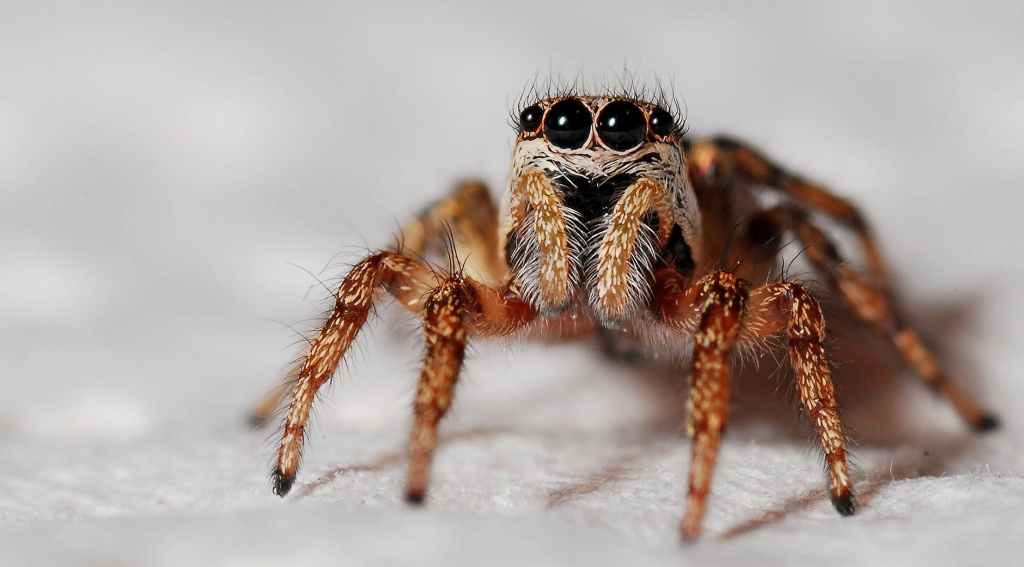
Image via Pexels.com
Dickinson does not shy away from critters that make others squirm. In that sense, this poem recalls “A narrow fellow in the grass.” But it’s quite different, aside from taking on a subject that squicks out many people.
The first stanza establishes the spider as an artist. The speaker goes on to argue that the worth of the spider is proved by brooms and those who wield them. It’s a fun little tongue-in-cheek moment–the playful side of Dickinson that is often present but that doesn’t seem to get as much attention as the angst because angst is Serious Literary Business.
The final image of Dickinson taking the spider by the hand is similarly playful, and her final epithet for the creature is marvelous–“neglected son of genius.” This is some much-needed spider appreciation, and I am here for it.

 The Emily Project